
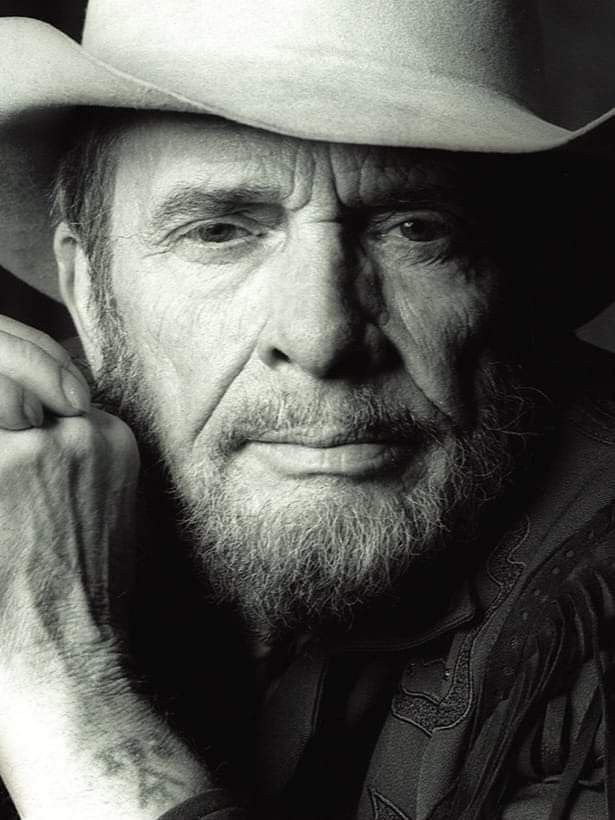
Merle Ronald Haggard (April 6, 1937 – April 6, 2016) was one of the most influential figures in American country music. Known for his honest songwriting and distinctive voice, Haggard helped define the Bakersfield sound, a style of country music that emerged in California during the 1960s as a raw, electric alternative to the polished Nashville sound.
Early Life
Merle Haggard was born in Bakersfield, California, though he was raised nearby in Oildale, California. His parents had moved to California from Oklahoma during the Great Depression. When Haggard was nine years old, his father died of a brain hemorrhage, leaving his mother to raise the family.
Haggard became rebellious as a teenager. He ran away from home several times and was frequently in trouble with the law. His behavior eventually led to prison sentences, including time at San Quentin State Prison. During his incarceration in 1958, he attended a concert by Johnny Cash, an experience that inspired him to seriously pursue music after his release.
Musical Career
After leaving prison in 1960, Haggard began performing in bars and clubs around Bakersfield. He was strongly influenced by fellow Bakersfield artist Buck Owens and quickly became part of the region’s thriving country scene.
By the mid-1960s, Haggard had signed with Capitol Records and started producing hit songs. Many of his recordings reflected working-class life, regret, patriotism, and personal struggle.
Some of his best-known songs include:
Mama Tried (1968)
Okie from Muskogee (1969)
The Fightin’ Side of Me (1970)
Sing Me Back Home (1967)
If We Make It Through December (1973)
Working Man Blues (1969)
Over his career he recorded 38 No. 1 hits on the Billboard country chart, making him one of the most successful artists in country music history.
Style and Influence
Haggard’s music blended traditional country, honky-tonk, folk, and western swing. His lyrics often reflected his own life experiences, including poverty, prison, and working-class struggles. He became a key figure in the Outlaw Country movement and influenced artists such as George Strait, Alan Jackson, and Dwight Yoakam.
Awards and Recognition
Haggard received numerous honors during his lifetime, including:
Induction into the Country Music Hall of Fame and Museum (1994)
A Grammy Lifetime Achievement Award (2006)
Kennedy Center Honors from the John F. Kennedy Center for the Performing Arts (2010)
Death
Merle Haggard died on April 6, 2016, his 79th birthday, in Redding, California. The cause of death was complications from pneumonia. Even in his final years, he continued to record and tour, remaining one of country music’s most respected figures.
Legacy
Merle Haggard left behind a catalog of hundreds of songs and more than 70 albums. His deeply personal storytelling and authentic sound made him one of the most important voices in American music and a defining figure in country music history.