
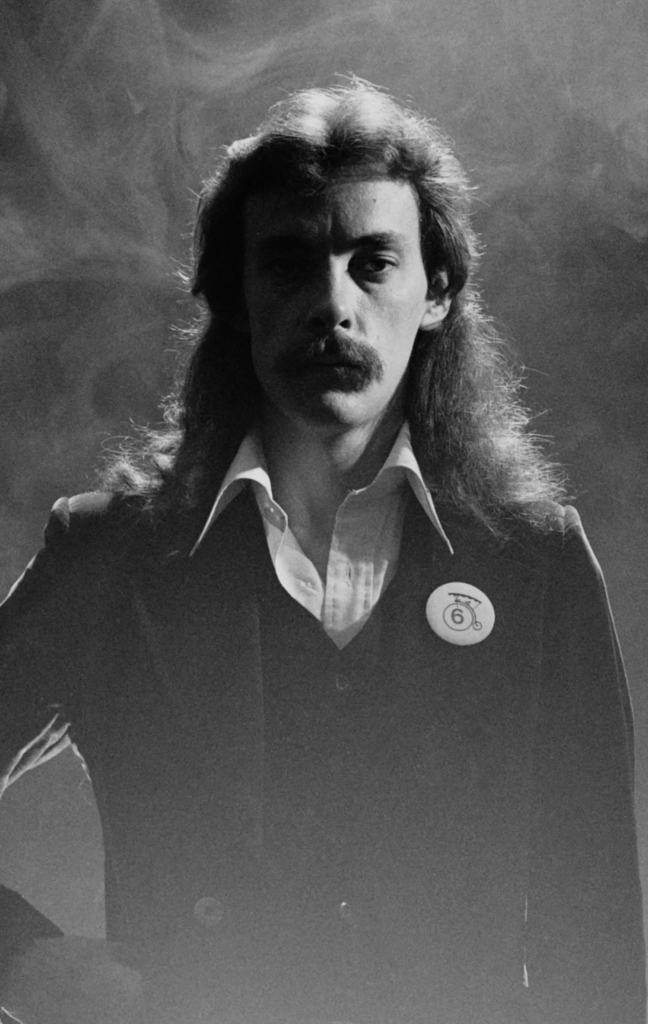
Neil Peart stands as one of the most revered figures in rock history—a musician whose technical brilliance and thoughtful lyricism elevated Rush from a hard rock trio into progressive rock legends.
Early Life and Musical Beginnings
Born on September 12, 1952, in Hamilton and raised in nearby St. Catharines, Peart showed an early fascination with rhythm. After initially exploring various instruments, he found his calling behind the drum kit as a teenager. Inspired by drummers like Keith Moon and Ginger Baker, Peart developed a style that blended power, precision, and creativity.
In 1974, Peart joined Rush, replacing original drummer John Rutsey just before the band’s first U.S. tour. Alongside Geddy Lee and Alex Lifeson, he helped shape the band’s signature sound—marked by complex compositions and philosophical themes.
The Sound and the Words of Rush
Neil Peart was more than a drummer—he was Rush’s primary lyricist. His writing drew from literature, science fiction, philosophy, and personal reflection. Albums like 2112, Moving Pictures, and Permanent Waves showcased his ability to weave storytelling with intricate musical arrangements.
Songs such as “Tom Sawyer,” “Limelight,” and “Freewill” explored themes of individuality, fame, and human experience. Peart was particularly influenced by author Ayn Rand in his early years, though his perspectives evolved over time into a more nuanced and humanistic outlook.
A Drummer’s Drummer
Widely regarded as one of the greatest drummers in rock history, Peart was known for his technical mastery, elaborate drum kits, and relentless pursuit of improvement. His solos became legendary highlights of Rush concerts, often incorporating both acoustic and electronic elements.
Publications like Modern Drummer frequently ranked him among the best, and his influence can be heard across generations of musicians. Peart approached drumming almost academically, constantly studying technique and even taking lessons well into his career to refine his craft.
Personal Tragedy and Resilience
In the late 1990s, Peart faced devastating personal losses. His daughter Selena died in a car accident in 1997, and less than a year later, his wife Jackie passed away from cancer. These tragedies led Peart to step away from music, embarking on a long journey of healing that he later chronicled in his book Ghost Rider: Travels on the Healing Road.
After several years, he returned to Rush, and the band resumed recording and touring, demonstrating both his resilience and enduring passion for music.
Later Years and Legacy
Rush continued to release albums and tour into the 2000s and 2010s, culminating in their final tour, R40, in 2015. Peart officially retired from touring shortly thereafter, citing physical demands and a desire to spend more time with his family.
On January 7, 2020, Neil Peart passed away at the age of 67 after a private battle with glioblastoma. His death marked the end of an era for fans of Rush and the broader music world.
Enduring Influence
Neil Peart’s legacy extends far beyond his drumming. He redefined what it meant to be a rock lyricist, bringing intellectual depth to mainstream music. His work continues to inspire musicians, writers, and fans alike.
For many, Peart wasn’t just “The Professor”—he was a symbol of dedication, introspection, and artistic excellence.